

the book of the summer is a motherlode of 90s fashion
a chat with mary h.k. choi on crafting the fictional wardrobe of "pool house"


“Most fun fashion spot on the internet right now”—Grace, paid reader
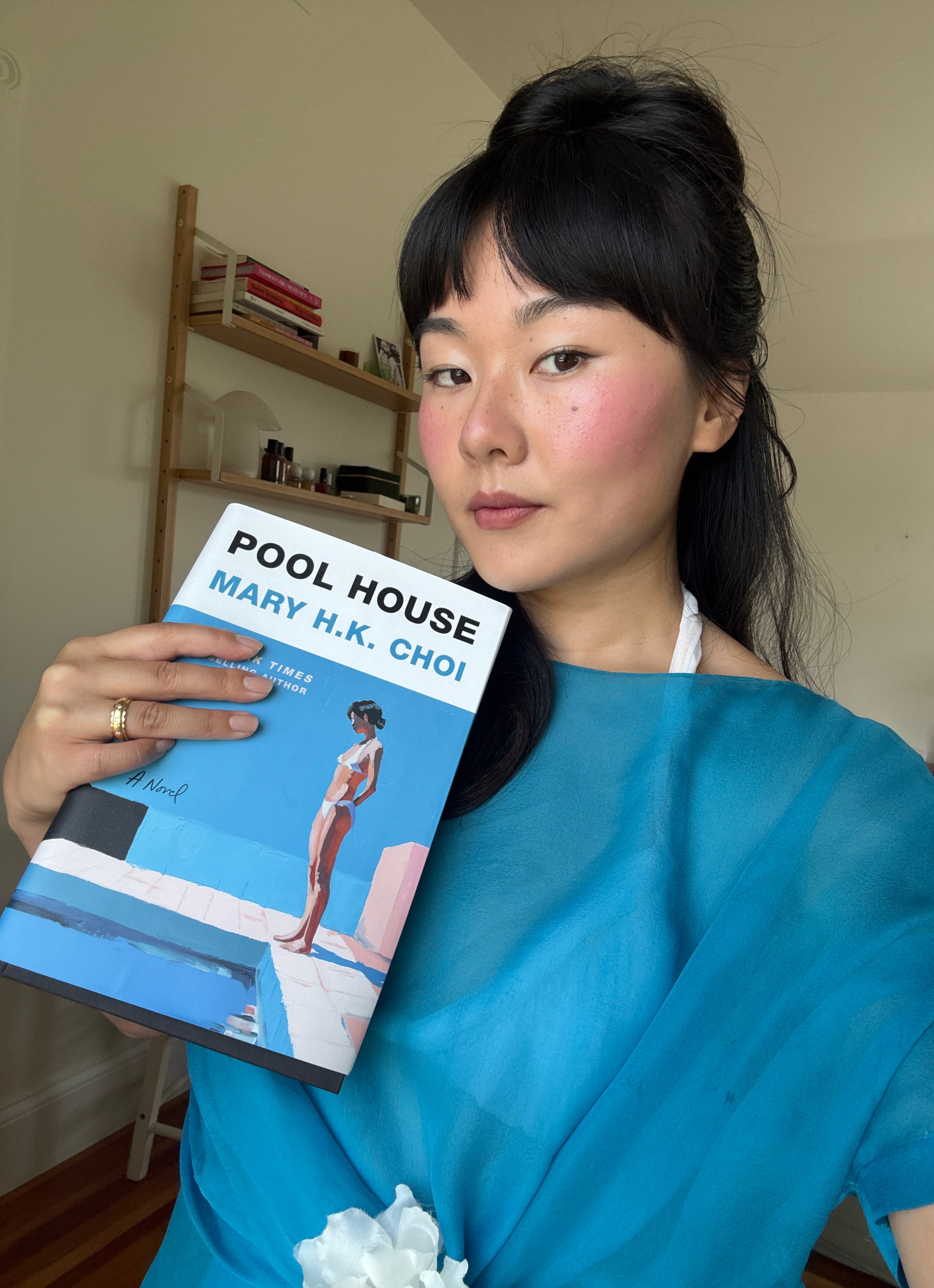
Hi friends! Hope your summer solstice weekend involves some fresh stone fruit and grass under your feet. I had this exquisitely fluffy whipped gorgonzola & cherry & salsa macha dish with hunks of airy sourdough bread at an event this week that I must re-create at home expeditiously.
We have such a special guest for today’s letter!!!
The first time I heard of Mary H.K. Choi was in 2021, when a friend recommended her novel Yolk to me.
I was engrossed by the writing—I had this thought, that whoever this author was, she has completely mastered the art of Noticing Things. She must be a ball to people-watch with. My friend and I would message each other about her book, always referring to her by her full name, “mary hk choi.”
Years later, Mary and I connected through our respective newsletters. By connected, I mean that I ate up her essays about buying a $4K Rick Owens jacket whilst unemployed, and I think she liked reading about my secondhand shopping fixations. While she is still THEE Mary H.K. Choi, it’s so cool that she is also sometimes just Mary to me—a cool older sister internet friend who I’ve never met in person (this will change soon, I know it).
Her fourth novel and adult debut Pool House came out earlier this month.
Pool House is a lot of things: it’s a mother-daughter novel. It’s an LA novel. But for me, the most thrilling hook is that it’s a 90s archive fashion novel. Within reading the first chapter alone, I felt like a dog hearing all its favorite words. Faye Wong. Ralph’s on Sunset. Tumblr. Bjork. Alt Asian Baby Girl.
Below, Mary and I talk about LA fashion, all her 90s fashion obsessions, and how a Molehill-inspired easter egg made its way into the fictional wardrobe of Pool House.
Viv: Pool House is set in present-day LA. Tell me about your relationship with the fashion in LA: how did you observe and absorb it? What do you make of LA fashion as a New Yorker?
Mary: Yes, Pool House is contemporary but so much of the world is defined by Moon (the mother character’s) memories and particularly the LA she would have encountered when she first arrived from Texas two decades prior.
If I were to describe LA style in a single statement, especially then, it would be: Rock-N-Roll. There are of course other eras that are distinctly LA-coded to me, especially as a New Yorker—Von Dutch Trucker Hats circa Tara Reid giving Peak Kitson, or else taupe Yeezy x Kardashian athleisure or an entirely different direction with feather earrings, turquoise jewelry, fringe jackets and a flat-brimmed Coachella hat.
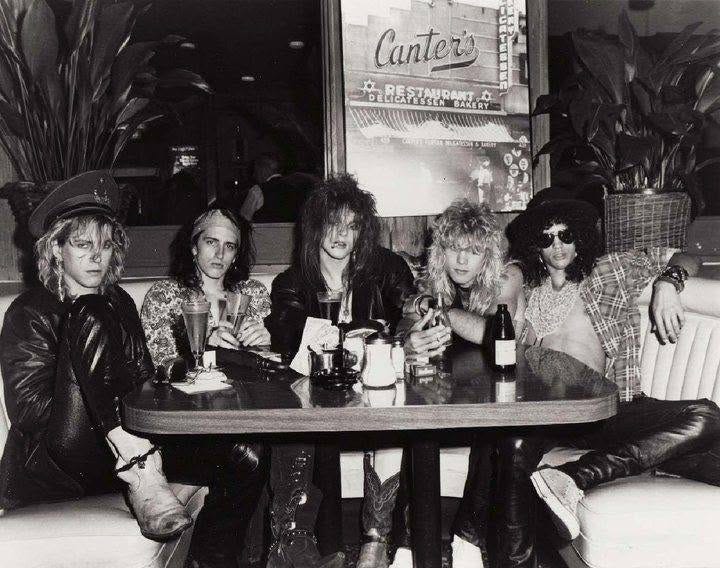
But what I wanted for the LA style that is influential to Moon is Viper Room. Duff McKeegan. Kelly Bundy. Those black and white photos of bands hanging out at Canter’s. It’s whatever Hedi Slimane was drawing from for Fall 2016 at the Palladium. Narrow hips. Pointy shoulders. Long, dude-scarves. Shaggy hair. Peak Chris Robinson Black Crows, whatever Sombr is gesturing towards. It’s why Chrome Hearts will always remain relevant to a certain milieu no matter what else is culturally going on.
It’s interestingly a style that I also strongly associate with white people. It evokes cultural segregation sartorially speaking and I think that definitely has a lot to do with the Hollywood Moon would have been contending with and certainly some of my own feelings towards what I experienced when I lived and worked there for two years in my thirties.
How did you go about writing the fictional fashion in the novel to be LA-specific? Were there certain neighborhoods or subcultures you drew from as references?
Moon and Stevie live on the East Side but Stevie works on Fairfax.
And while Moon definitely would have gone through a Ben Davis or Dickies work pants appreciation era—with brown liner and a nude lip—in the same way that so many Korean dudes who grew up in LA draw from that East Side, Chicano, white-sweat-socks-with-shower-slides aesthetic, I wanted her to have enough of a chip on her shoulder about class and race, as well as her age, to buy into the power of luxury.
Especially since Moon isn’t from LA, she moved there in her young adulthood, searching for fame and fortune. It’s why she carries a status purse when she leaves her house but when she’s off-duty, she’s wearing tattered Opening Ceremony T-shirts as a nod to founders’ Carol Lim and Humberto Leon’s asianness but also to ground the book in that Coastal Elite life. It’s why she’s also wearing a Sci-Fi Fantasy T-shirt, the brand founded by skater Jerry Hsu, because she would have been acutely aware of him if not peripherally friendly.
So I don’t know if it’s subculture or neighborhood-driven but there are definitely Easter Eggs throughout to suggest who Moon is, what her hangups are, and how cool her tastes are when she’s not disguising herself or masking. And then of course there are her more outré moments that are reminiscent of Bai Ling doing a red carpet or the heyday of all those pre-viral red carpet looks, like Rose McGowan in her naked dress and Bjork’s Marjan Pejoski swan dress.
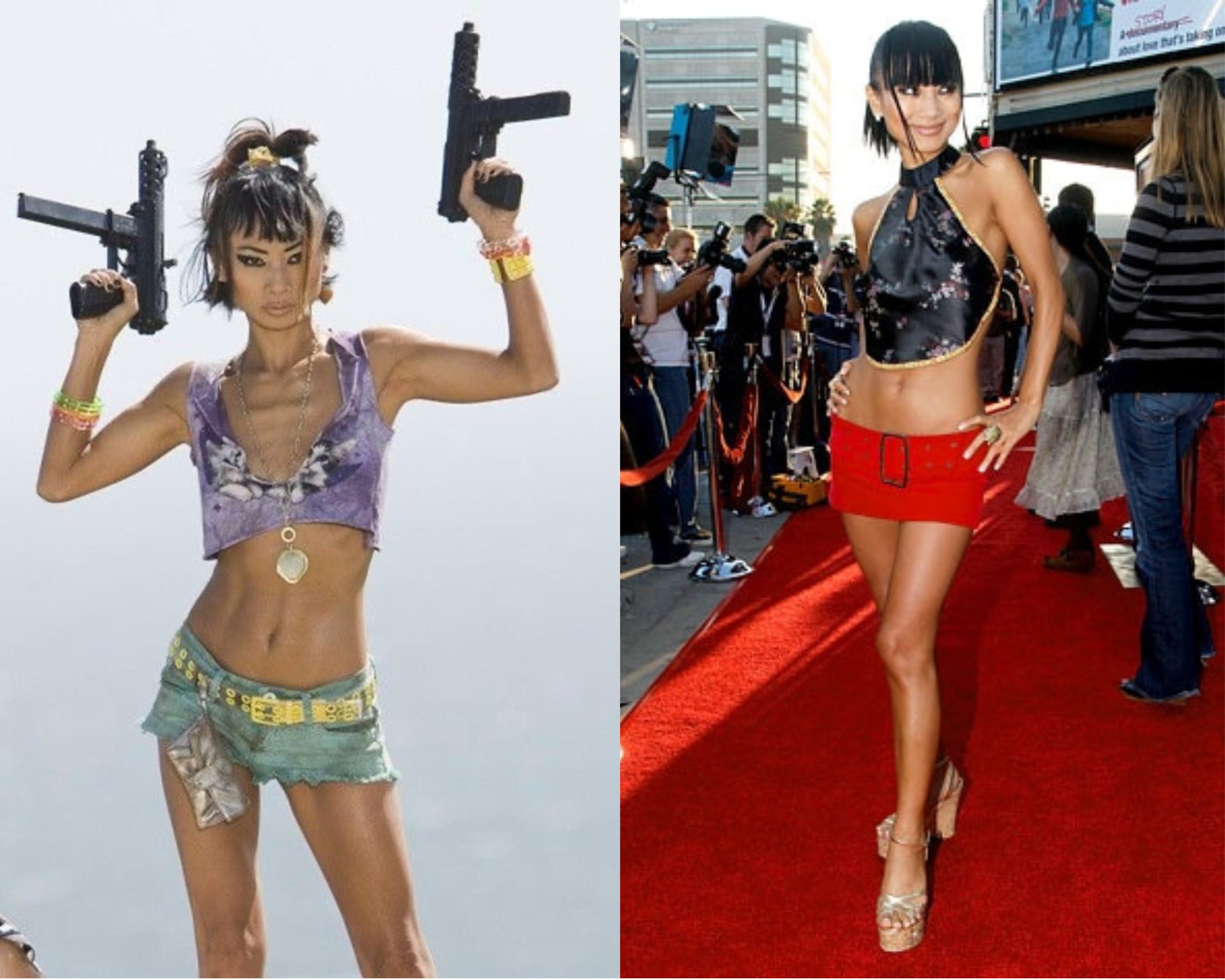
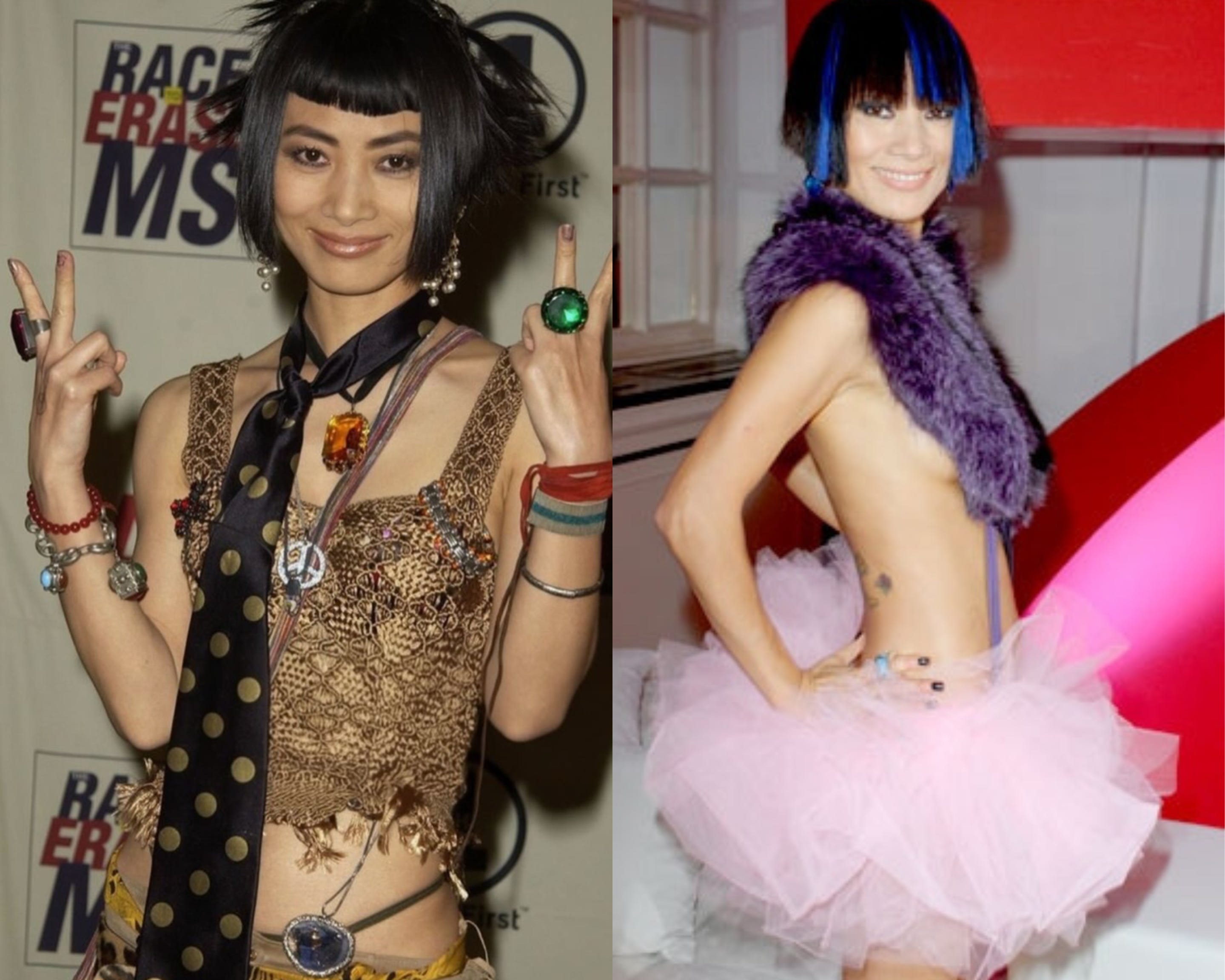
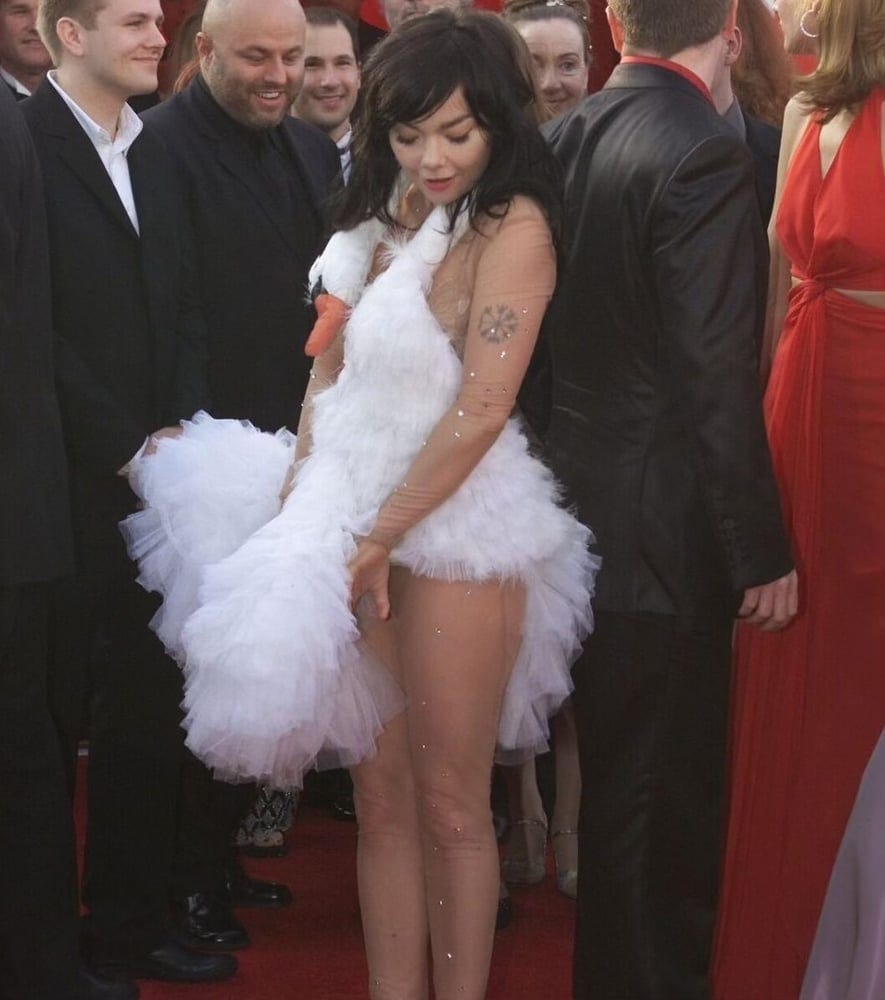
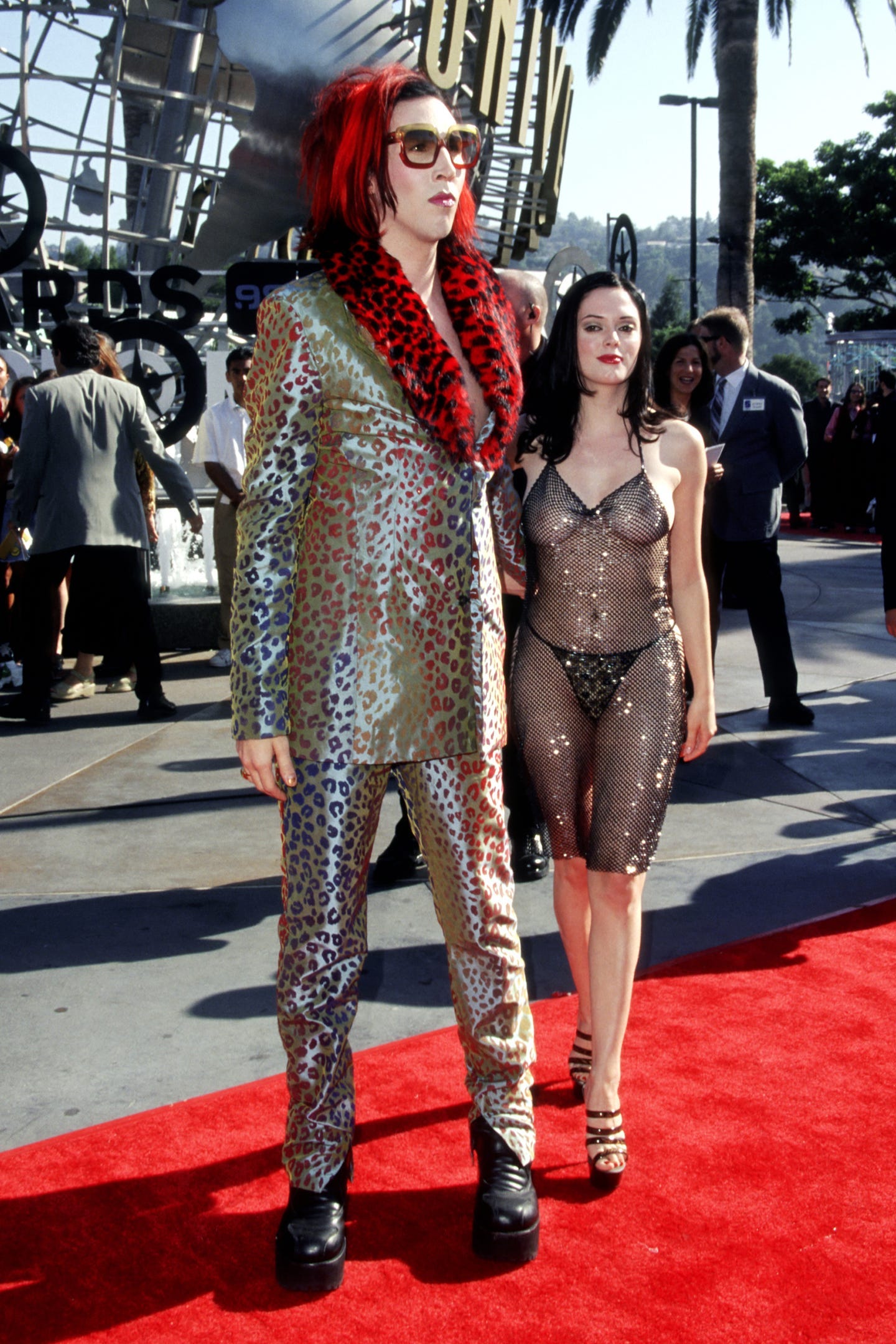
Walk me through the moodboards for Stevie, Moon, and Adam. I wondered if Moon’s wardrobe was inspired your dream designer grails...
I really came of age in such a golden era of fashion. A lesser known part of my career is that before I wrote books, I worked at MTV primarily to unearth House of Style, a fashion TV show that Cindy Crawford hosted that was monumentally significant to my life.
At a certain point in my career as a reporter and editor, I was just like, “Why isn’t House of Style on YouTube?” The short answer is that there’s no way to clear it. For a full year I tried to clear as much of it as I could to blog about it for MTV Style, cherry-picking segments off VHS that didn’t have famous artwork in the backgrounds or didn’t have literal Prince songs running over the dialogue since they didn’t keep an archive with split tracks for the recorded audio.
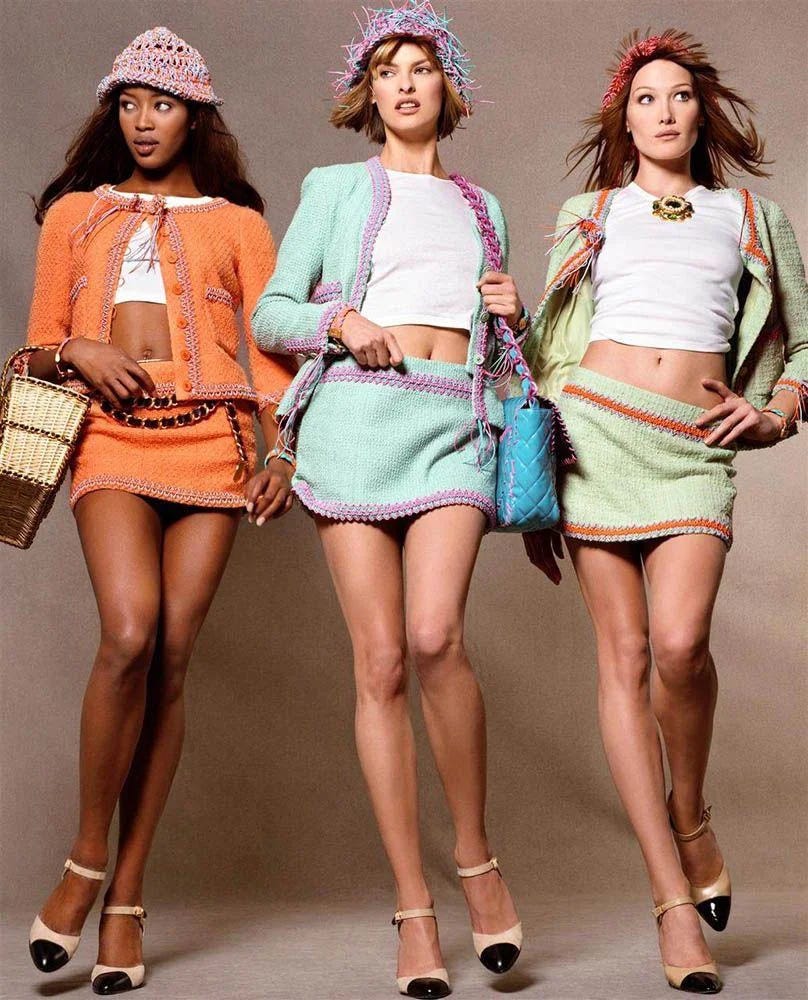
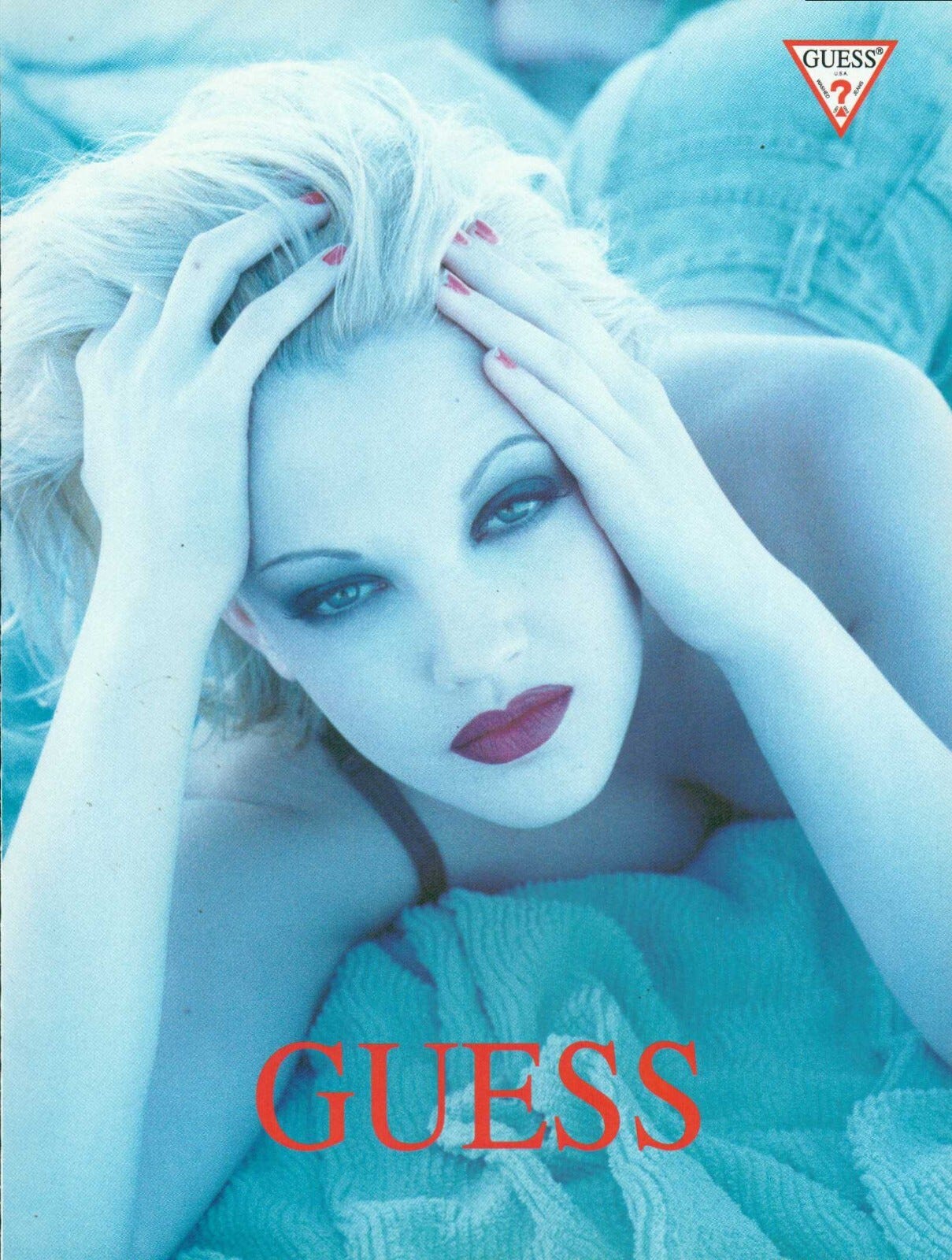
In any case, I was so taken with fashion from the 90s and how accessible fashion felt for the first time. I swore by American Vogue and Cindy Crawford for MTV, Elsa Klensch for CNN and Jeanne Beker’s Fashion Television.
So that’s Moon. Moon loves what I love. She’ll always be in love with the Supermodels walking for Versace. Christy and Todd Oldham being friends. Steven Meisel editorials. The pastel boucle suits for Chanel. Alexander McQueen’s bum cleavage pants. Drew Barrymore appearing in Guess ads. It’s like, where were you when Shalom Harlowe was spraypainted by robots for Spring/Summer 1999? That’s very much her ministry. But if I had to pick one person who was central to Moon’s mood board, it would be Faye Wong.
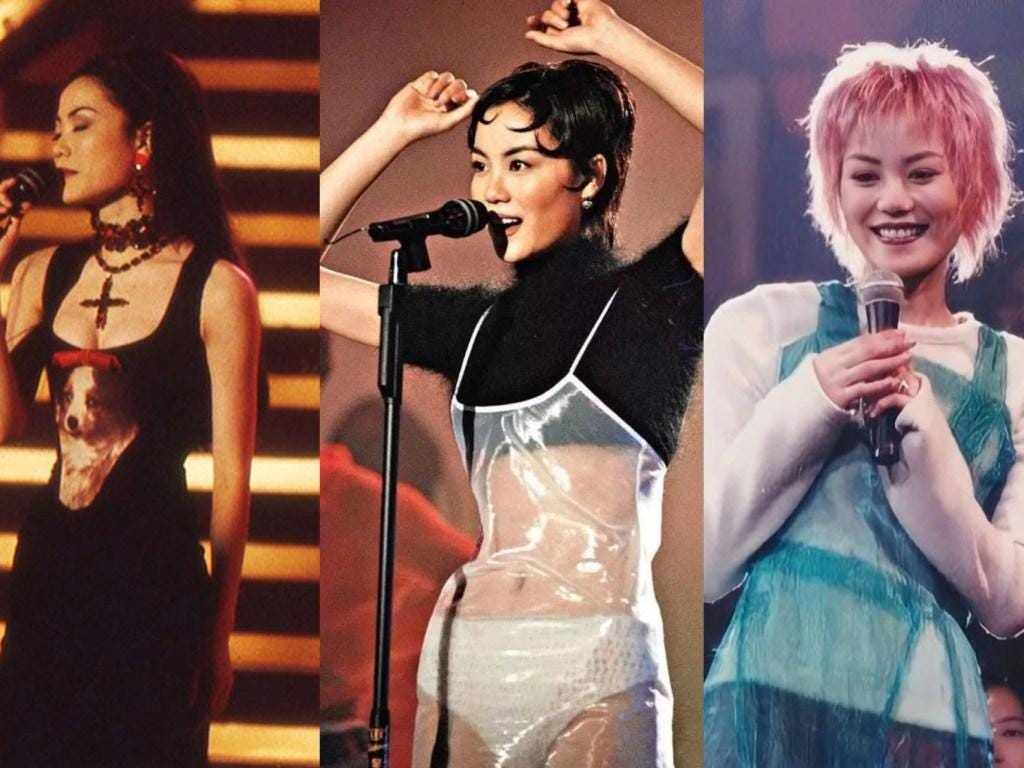
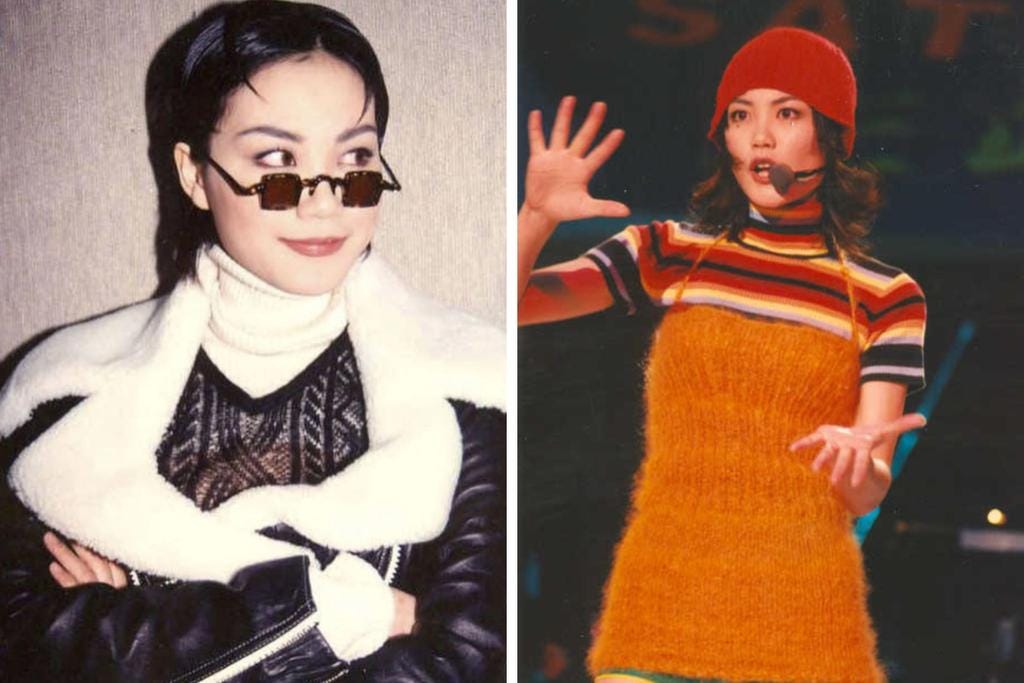
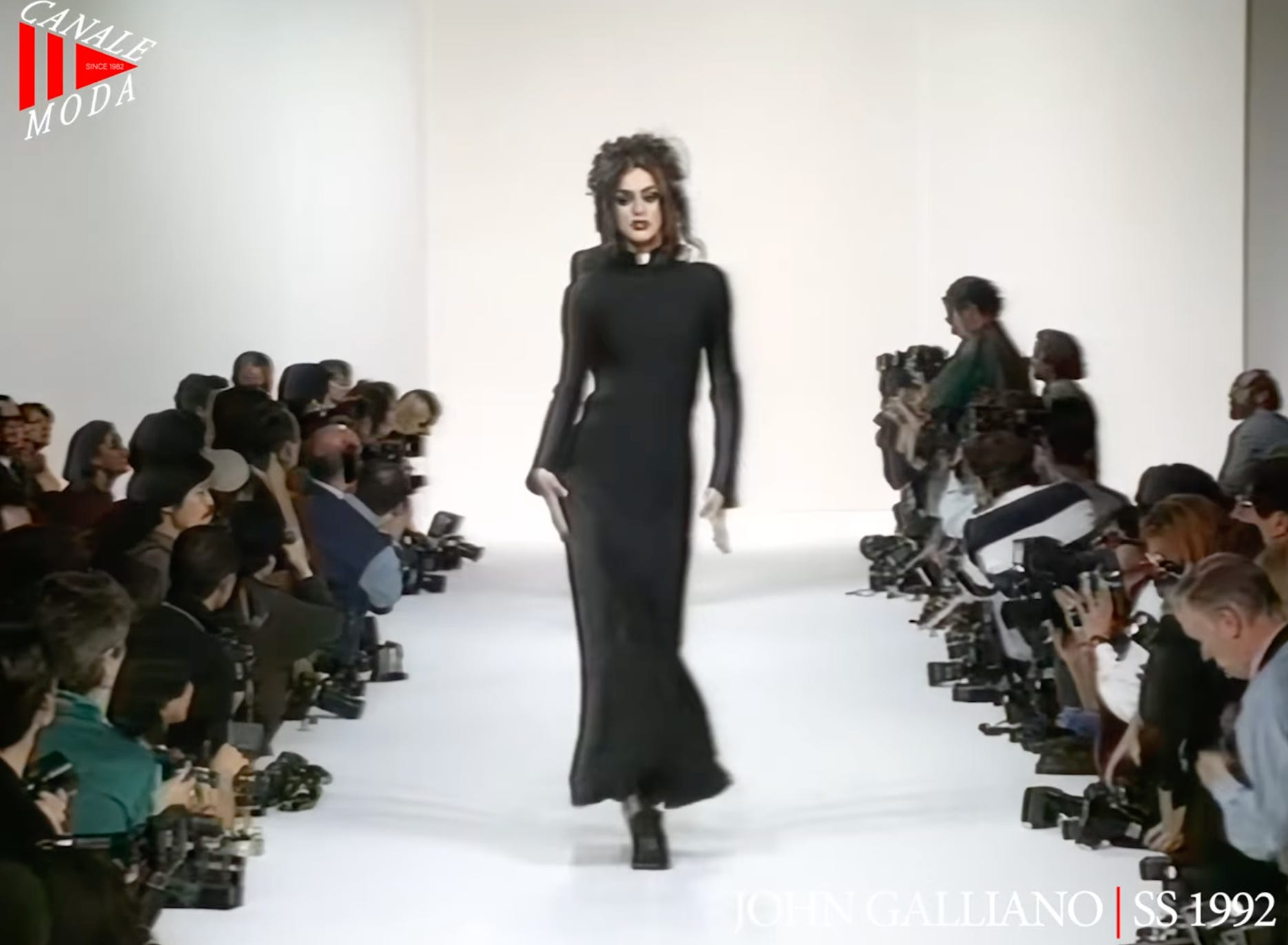
And obviously Galliano deserves mentioning for the dress that she wears to an important funeral.
Stevie is influenced by Moon obviously.
It’s the fate of the MILF’s daughter to always spend a little too much time inspecting your mother’s personal branding and feeling attacked by it. Her mood board is about change and outside influence. She begins in Kirkland pants that she wears for work. As well as a heavily stained purple pique polo. But when she begins to steal more of her mother’s clothing—there’s a Calvin Klein Collection bias-cut, silk slip (very Love Story; peak PR-girlie Bessette) that is her gateway—she experiences more power and begins to identify who she is in her clothes.
Something in her unlocks. I was definitely hearkening back to those crucial, pivotal moments in the formation of someone’s taste or aesthetic intelligence of dressing differently and being treated differently. When fashion becomes a kind of disguise or else armor that can sway other people. I can’t imagine anything more intoxicating. This culminates in a makeover later in New York that becomes a crisis of identity.
Adam is funny, I had such fun dressing him.
He shows up partial to white colonial classics after spending time in Hong Kong, a former British colony. I literally put him Nehru collared linen shirts and sandals in his early moments in LA to suggest this idea that he’d been somewhere exotic and desperate for everyone to know. It’s giving Graham Greene, Merchant Ivory or else pulpy James Clavell, the guy who wrote Nobel House, Shogun, Tai-Pan—kinda your early days Arthur Golden (the white dude who wrote Memoirs of a Geisha). Or even how the Beatles were post India.
He’s also giving big time Starter Pack energy. The theater kid who went to Spain for year abroad and lisps all over the place, Barthelona, etc. He’s cosplaying a time that doesn’t really even exist anymore which suggests he’s a romantic at heart but also inadvertently racist. The more time he spends in LA, he gets breezy, workout-forward, but then of course once he’s back in New York, literally at the moment he touches the JFK tarmac, he dresses New York. A beautiful, long coat. Gorgeous, heavy, visibly expensive sweaters. He would definitely wear a floral sweater or something a bit more louche but with the classics, Lemaire, The Row, given he has all that money.
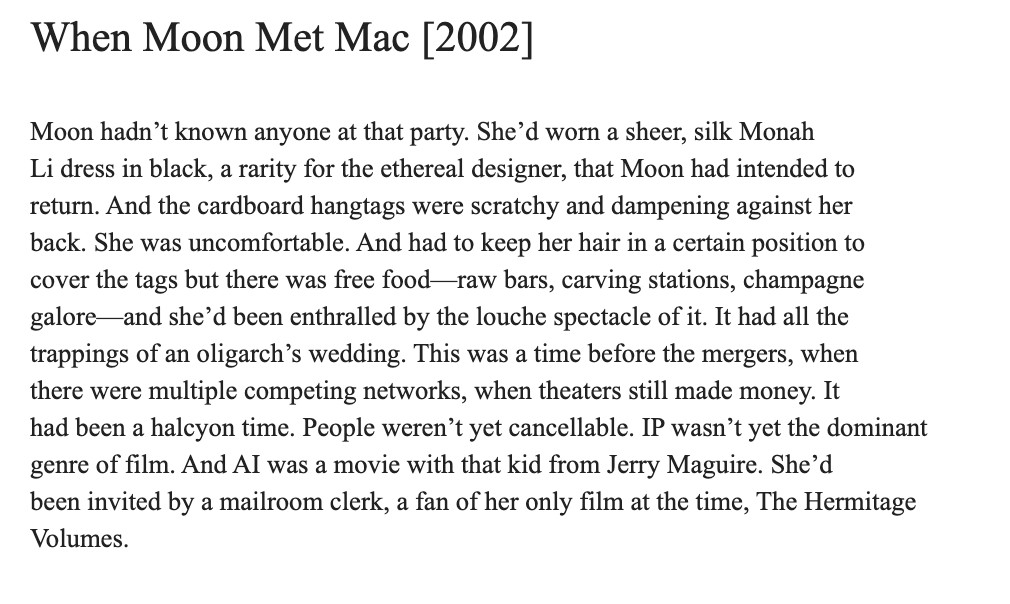
I’m so tickled by the Monah Li dress reference. Can you tell me how you decided to write in that Easter egg, and how fashion Substack newsletters informed your research for the novel?
I’ve been terribly bored with fashion post-Covid. The whole quiet luxury era coincided with me entering my forties and I couldn’t reconcile this idea that investing in a coat or sweater “like an adult” would mean paying thousands and thousands of dollars for a navy quarter zip.
I couldn’t get over how safe and dull everything was becoming and yet everything that wasn’t a charcoal or stone or brown part of a capsule wardrobe, was this overpriced, drapey “avant-basic” shape in a fabric I didn’t love, in a print that was too loud for me. I was also discouraged by how vintage clothing prices were skyrocketing as well.
But then I started reading about fashion again, feeling so buoyed by how progressively irritated Rachel Seville Tashjian was becoming at The Washington Post and now at CNN, about what she saw on the runway and then how diligently she would seek out and speak to the designers she did want to champion like, Dario Vitale, despite his ill-fated tenure at Versace.
And then of course things really started cooking with the designer musical chairs and all that shakeup last year and the gossip from the year before. But I was also definitely substack-pilled. Less the newsletters that rely on affiliate links, no shots, but they always make me feel insane, but the writers who were so clear on their interests and their personal style.
Like you, of course, and Emilia Petrarca’s Shop Rat and now Avery Trufelman’s show notes for her excellent podcast Articles Of Interest. All of you have such clear taste and a sense of terroir. Like, you’re very California coded whereas Emilia is super New York. I just got swept up by the curiosity and sense of discovery again. I love watching you love getting dressed. Or finding the perfect legume accessory. Or your strategies for vintage shopping in Europe or how you dress for certain climates.
The funny thing is, I have very little in common with what I consider the Molehill aesthetic. Fluttery silk dresses in glinting colors and prints are not my thing at all. I love oversized Japanese shapes but what I adore is loving people who love what they love. I think something that blew my mind is that recently you bought a pair of pants in Italy that you weren’t sure was flattering but delighted you. I tuck those moments away somewhere and feel reassured when getting dressed or going shopping myself and I certainly think of moments when I dress my characters.
You’ve been developing your work for film and TV and I imagine you thought about what the adaptation process would be like for Pool House. Do you think about how challenging it might be to get the actual archival pieces you mention, the Galliano funeral dress or the Gaultier mesh shirt, for the production?
I think about how Miyako Bellizzi, who did wardrobe for Marty Supreme and also one of my absolute favorites, Bonjour Tristesse, with such transportive magic, just had this archival back catalogue to draw from as though she’d been waiting to dress these films for her entire life. A few years back writing for Elle, I interviewed Alexandra Carl, a stylist and creative director who’d just done published this magnificent coffee table book with Rizzoli, “Collecting Fashion: Nostalgia, Passion, Obsession,” where she spoke to hyper-dedicated archivist and collectors.
It featured photos of Michele Lamy’s expansive collection of Comme as well as the largest private collection of vintage Helmut Lang from the late 80s to the aughts that tallies at 5,000 pieces. I know that someone can get me access to the butterfly print mesh Gaultier shirt. And the Spring/Summer 1992 priest dress from the “Napolean and Josephine” collection. I just believe.
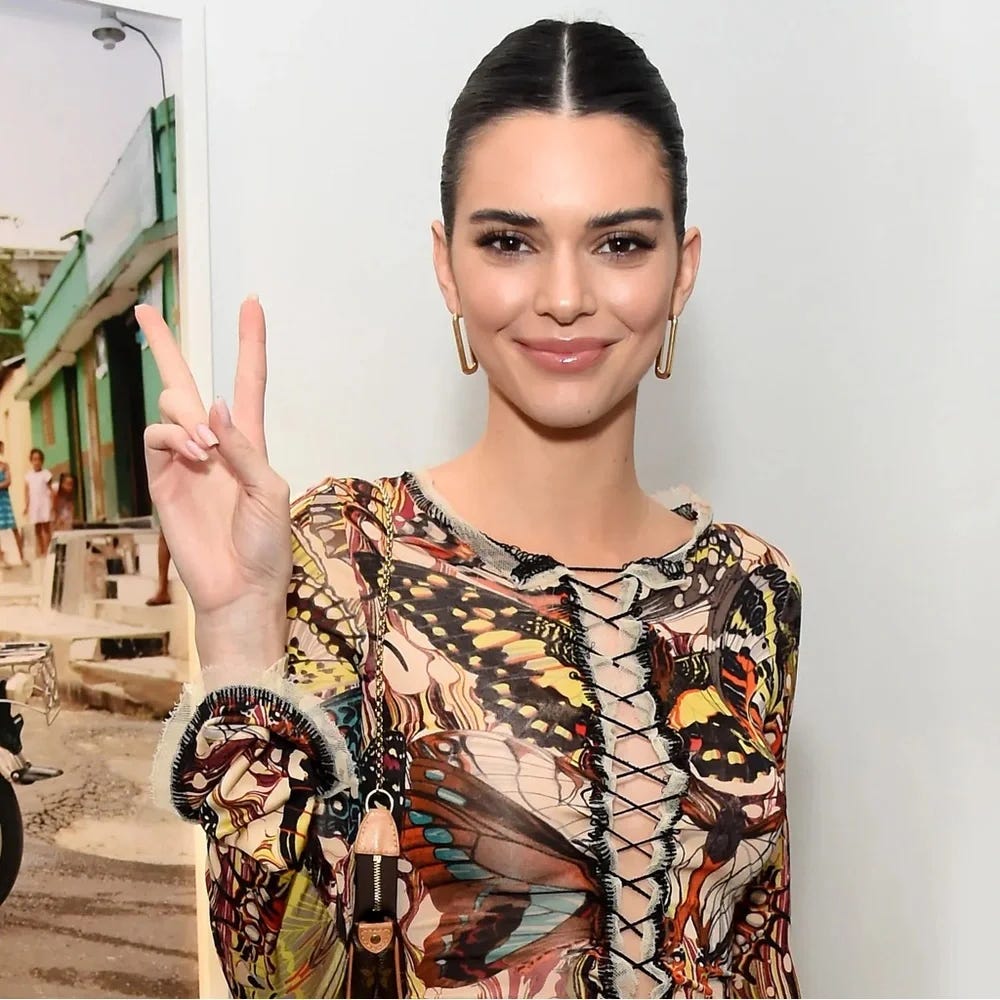
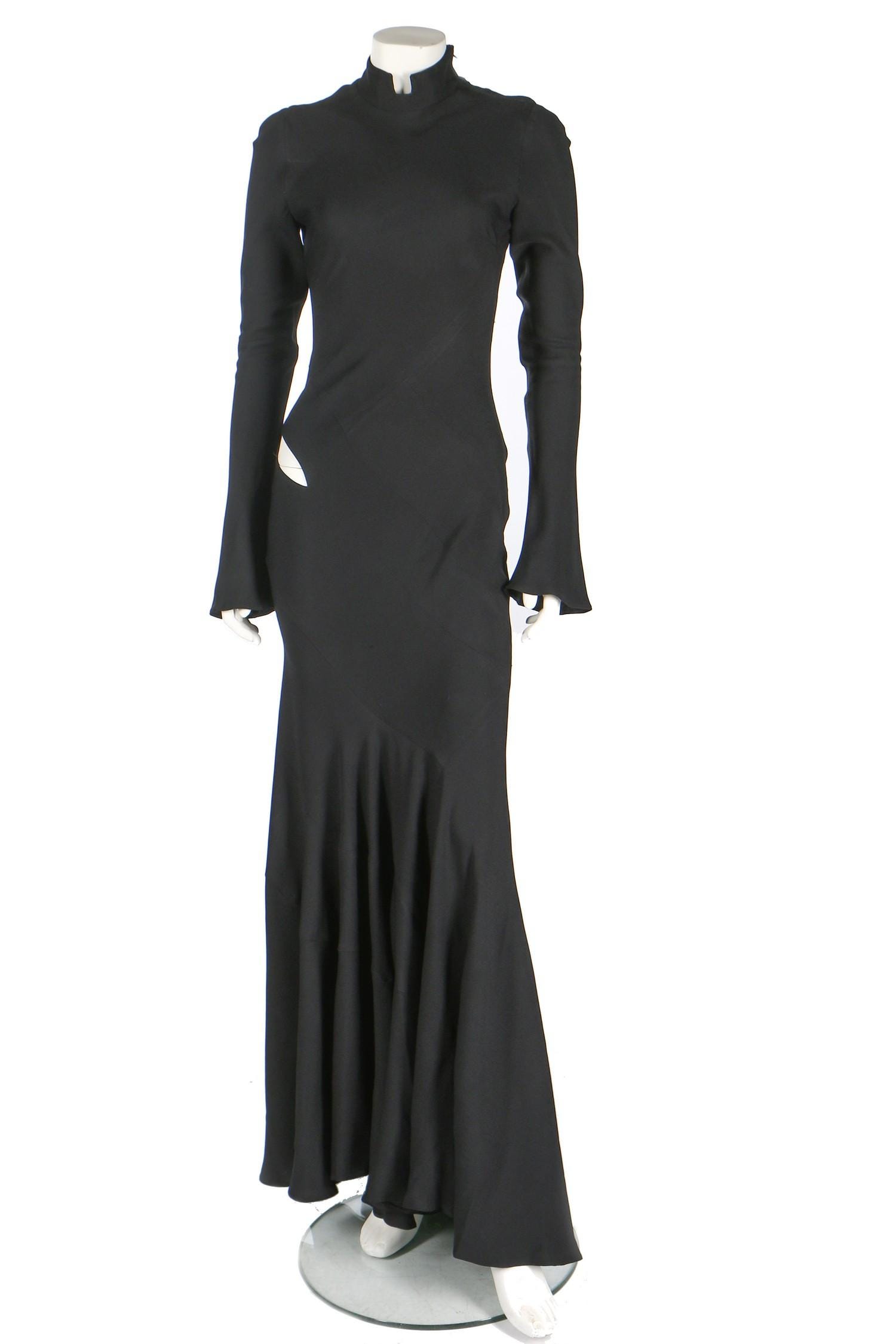
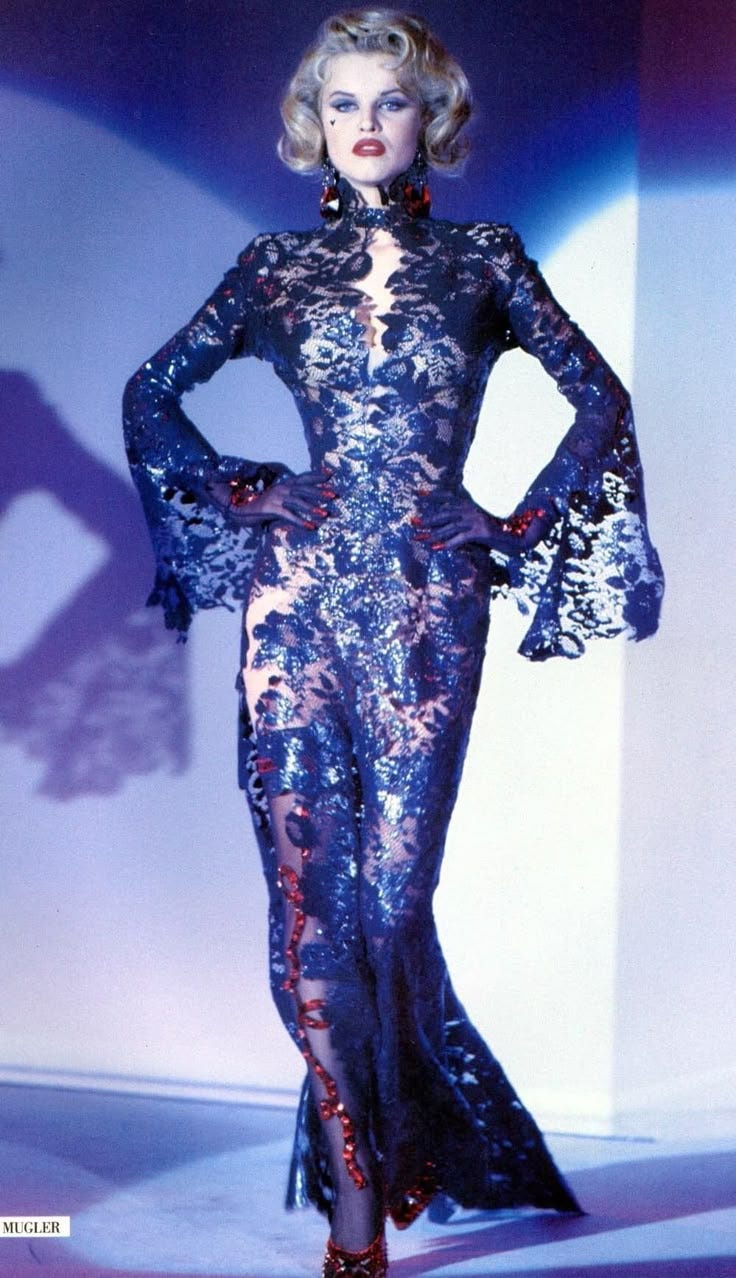
Then again, I’m also happy to change any detail to suit my needs. It’s how the Monah Li dress reference used to be Vivienne Tam until I fell in love with the Monah Li dresses from your coverage of the designer. If we can’t do Galliano, we’ll do head-to-toe McQueen. Or Dolce & Gabbana’s priest frock from 1997. Or else a Mugler gown from the late-90s. It’s about the vibe rather than a fidelity to the source material. It’s what nice about being the architect of the source material.
Thank you Mary for the 90s fashion nerdout session! You can order a copy of Pool House here. Below, enjoy a passage from the book :)
Hollywood Forever
Finally, Dano turns the car into the black wrought-iron gates of Hollywood Forever to ease toward the valet station. The car stops and Moon’s door is flung open, a gust of heat engulfing her as she swivels her hips to set one platform-heeled shoe on the ground. The valet offers a beefy forearm to hoist her out without upsetting the temperamental fabric of her dress and she is flustered by the sudden closeness of the man, his warmth, the whorls of arm hair, the sunbaked clean smell of his skin, neck, shorn scalp and finally, the Pachuco crosses tattooed on his hands. When he releases her to Dano, he bows slightly as he steps away, making a quick, wry sign of the cross as he takes in her dress, a runway Galliano from ’92, black, slippery silk, with a high priest’s collar and a train, slashed in places at her thighs, her hips, and her ribs. On her feet, Alexander McQueen armadillos in python that she cannot walk in without help. The purse is the only thing she’d had to buy, a small hard black clutch she’d looted her checking account for that she assures herself she will resell, vintage McQueen, among the first minaudières, with a skull at the closure, jewels as eyes.
Over the past handful of years, Moon has had to liquidate her investments, then her retirement. Each month the margin narrows, but she just about makes her mortgage. She’s not proud that she rents her house out, but it says something about her character that she is willing to make sacrifices. She’s nothing if not hardy. She’s never relied on parents, or a man, she has her kid and herself and she makes it work. She will not be made to feel shame for her choices even if it means selling some jewelry, a watch, and a cluster of status purses, no matter how surly and ungrateful her adult child is about any of it.
Most of her clothing she has tried to keep together. She wants it as a collection. As an archive. As part of her legacy. Moon had left Texas with nothing. Her mother, Sunny, had burned it all—clothes, books, and CDs—incinerated at a church gathering, a radical act of parochial zeal that enraged and frightened Moon enough to leave. None of her pieces had been expensive but they were lovingly collected, pristinely maintained, and mostly one-of-a-kind vintage, tailored to fit her exactly. But now in a deep closet off-set from the upstairs lounge, with a lock and an additional bolt, away from the renters, in PEVA garment bags sprayed in pyrethrin to repel moths, she keeps her collection chronologically organized—all the former versions of herself, everything she’s worn for red carpet, interviews, shoots and productions, from designers, many of them bought by Mac who’d never buy her jewelry or furs but whose own clotheshorse tendencies migrated to the occasional piece of women’s couture at auction or else straight from the runway.
He loved to dress her in canny little suits, wasp-waisted Mugler, Ghesquière shoulders, StellaMcCartney satin bustiers, tiny and slightly tarted up, the clothes of a business-minded brothel madame ready to transition from day to night as was the trend of the time. He’d been partial to intricate, fussy, sculptural Philip Treacy hats, which were not at all Moon’s style, given her massive Korean head, but she loved them for the craftsmanship. And whenever she removes the lid from a hat box with all the acid-free tissue inside, to lift out a polychrome fascinator of shimmering butterflies, never worn, she recalls how happy they’d made him.
He’d never cared for grunge, never understood Marc Jacobs. Anna Sui. Todd Oldham. He’d loved Mr. Armani, and later would pretend he’d always loved Prada when this absolutely had not been the case during the designer’s more militaristic utilitarian years that he referred to as mannish. He openly disliked the flashy Italians Moon favored—Versace, Cavalli, Moschino, Dolce & Gabbana—the outré designers, but they could always agree on McQueen, Westwood, and most of all, Galliano.
Moon hopes one day her collection will increase in cultural value once her own stock rises, and she often imagines these moments, casually re-wearing a highly photographed dress at the exact perfect occasion so when they make the comp of past and present, it will be seen as significant. Minimally it will be noticed on someone’s Substack or a particularly in depth podcast by staggeringly fashionable men. Possibly Las Culturistas. She can also imagine herself auctioning off an infamous look for charity. She still has the naked Alaïa dress, for example. And when she can’t fall asleep, this is what she thinks about behind her eyes, switching out details at night in bed.
This is exactly such a moment. Mac’s funeral. She has never worn the Galliano publicly. She is as nervous as she would be on the first day of a big job. And she knows exactly what part to play.
xo viv
Thanks for being here. You can find me on IG and TT. My wardrobe recs and latest finds are saved here—unless it’s vintage, of course ;) I may earn commission on purchases made through affiliate links.
Read Next:


 | A guest post by
|
gosh it is soooo delicious for the mind to read all these juicy detailed descriptions of fashion in the excerpt! 🥲 I feel like I need a supplementary book of coloured plates alongside the book to really complete the reading experience...
meeting of the minds!!!! omg loooove that you two know each other and that Mary was influenced by your Monah Li piece, enough to change up her clothing reference in the book ❤️🔥